

샤브샤브 재방문, 익숙한 순서로 고른 한 상
다시 찾은 샤브샤브 재방문, 첫 접시부터 후식까지
샤브샤브 재방문 식사는 처음보다 동선이 익숙해 선택이 단순해집니다. 자리에 앉은 뒤에는 채소와 버섯, 소고기, 소스의 순서를 먼저 정합니다. 셀프바를 여러 번 오가더라도 필요한 재료를 빠뜨리지 않고 한 끼를 이어 갈 수 있습니다.
첫 접시는 이전에 잘 먹었던 조합을 중심으로 작게 구성합니다. 국물에 먼저 넣을 재료와 바로 먹을 곁들임은 따로 담습니다. 냄비가 끓는 동안 다음에 추가할 메뉴를 정하면 식탁이 한꺼번에 복잡해지지 않습니다.
재방문에서는 새로운 메뉴를 모두 시험하기보다 익숙한 한 가지에 다른 재료를 하나씩 더합니다. 채소는 익는 시간을 먼저 살핍니다. 고기를 넣는 간격과 후식으로 넘어갈 시점을 조절하면 같은 구성도 차분하게 즐길 수 있습니다.

새로 오픈했는데 친절하시고 넓고 쾌적해서 너무 좋아요!!! 재방문의사 200000%입니다!!
샤브샤브 재방문은 첫 접시를 단순하게 만듭니다
자리를 정한 뒤에는 냄비 가까이에 집게와 국자를 두고 개인 접시와 물잔을 바깥쪽에 놓습니다. 처음부터 필요한 도구의 자리를 정하면 셀프바에서 돌아왔을 때 접시를 옮기느라 식사의 흐름이 끊기지 않습니다.
첫 바퀴에서는 냄비에 먼저 넣을 채소와 버섯, 소스만 준비합니다. 이미 알고 있는 메뉴를 기준으로 시작합니다. 따뜻한 곁들임을 한두 가지씩 더하면 익숙함을 유지하면서도 접시 구성을 조금씩 바꿀 수 있습니다.

샤브샤브를 무제한으로 먹을 수 있어서 좋고 신선한 야채들이 많아서 좋아요. 서비스도 너무 친절하게 잘 대해주셔서 더 좋았습니다. 또 올 의향이 있습니다
채소와 버섯은 익는 시간부터 나눕니다
샤브샤브 재방문에서는 배추와 청경채처럼 잎이 두꺼운 채소를 국물이 끓기 시작할 때 먼저 넣습니다. 익는 순서를 더 정리할 때는 샤브샤브 맛있게 즐기는 법과 같이 단단한 재료부터 넣고 버섯은 먹을 만큼만 더합니다.
셀프바에서는 같은 종류를 한 접시에 많이 담기보다 식감이 다른 채소와 버섯을 나누어 고릅니다. 단단한 재료와 부드러운 재료를 섞어 담으면 냄비 안에서도 익는 순서를 쉽게 구분할 수 있습니다.
두 번째 접시는 첫 냄비에서 빨리 비워진 재료를 중심으로 구성합니다. 잘 먹은 채소를 다시 담고 처음 고르지 않았던 버섯 한 가지를 더하면 과하게 늘리지 않으면서 조합에 변화를 줄 수 있습니다.

두번째 방문입니다.. 변함없는 맛 신선한 채소와 소고기 잘 먹었어요 또 이용하고 싶은곳이예요
소고기는 냄비의 속도에 맞춰 가져옵니다
얇게 썬 소고기는 국물이 충분히 끓을 때 몇 장씩 펼쳐 넣습니다. 한꺼번에 겹치지 않게 넣고 색이 바뀐 순서대로 건집니다. 그러면 채소가 익는 시간을 방해하지 않고 고기 접시도 오래 식탁에 남지 않습니다.
고기를 추가하기 전에는 냄비에 남은 채소와 개인 접시의 양을 먼저 살핍니다. 바로 먹을 분량만 가져와 국물마다 나누어 익히면 담백한 맛과 매콤한 맛을 번갈아 먹는 흐름을 유지할 수 있습니다.
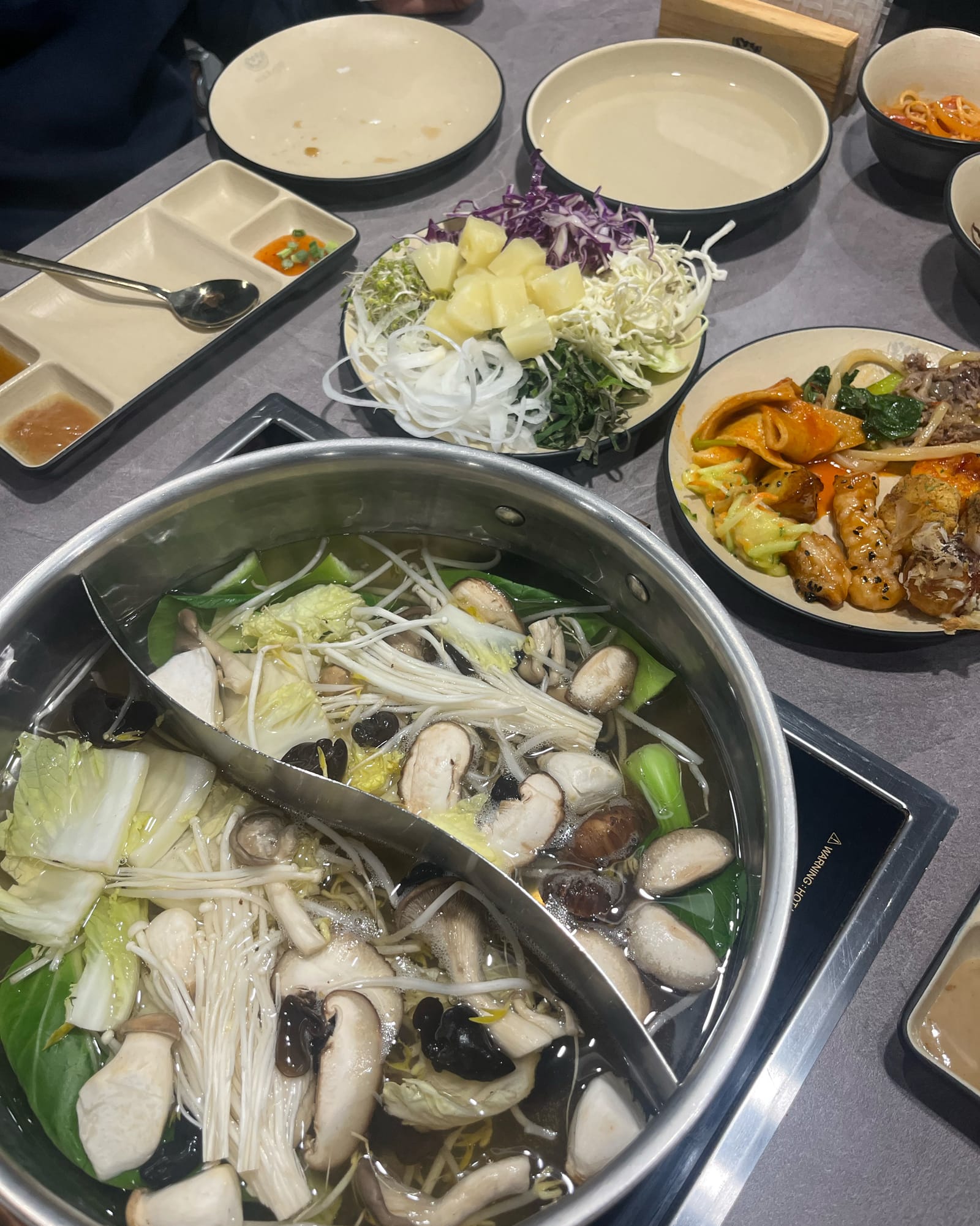
저번에 와 보고 맛있어서 재방문 했는데 역시 맛있고 깨끗하고 다양하게 먹을 수 있어서 좋아요! 유명한 샤브 가게도 가봤는데, 거기보다 이쪽이 훨씬 쾌적하고 음식도 전혀 밀리지 않습니다!
샤브샤브 재방문은 두 국물 조합으로 시작합니다
원앙냄비는 담백한 국물과 매콤한 국물을 한 자리에서 나누어 사용합니다. 익숙한 쪽에는 자주 먹던 채소와 고기를 넣습니다. 다른 쪽에는 버섯이나 면처럼 새로 더할 재료를 소량 넣어 맛의 차이를 조절합니다.
소스도 처음부터 여러 칸을 모두 채우지 않고 기본 조합 하나를 먼저 만듭니다. 한두 점을 먹은 뒤 매운맛이나 산미를 더하면 간을 과하게 만들지 않으면서 이전에 좋았던 맛을 다시 찾기 쉽습니다.
따뜻한 곁들임은 냄비가 끓는 동안 먹을 만큼만 작은 접시에 담습니다. 샤브샤브 재료와 섞어 쌓지 않으면 바로 먹을 음식과 익혀야 할 재료가 구분되어 식탁을 정리하기 수월합니다.

신선하고 친절하고 좋아요 자주올게여!!
식사 중반에는 남은 양을 먼저 살핍니다
샤브샤브 재방문 식사 중반에는 새 접시를 가져오기 전에 냄비와 개인 접시에 남은 양을 정리합니다. 익은 채소를 먼저 덜고 비어 있는 국물에 다음 고기를 넣으면 어느 한 재료만 오래 끓지 않아 식사 속도도 일정하게 이어집니다.
국물의 농도가 짙어졌다면 면이나 만두처럼 맛을 바꾸는 재료는 마지막 한두 번에 나누어 넣습니다. 이전 방문에서 잘 먹었던 메뉴도 소량부터 시작하면 후식까지 먹을 여유를 남길 수 있습니다.

두번째 방문했어요! 마라소스 추가하길잘한거같아요! 맛있게 잘먹었습니다!!
후식은 마지막 한 접시로 남깁니다
후식으로 넘어가기 전에는 냄비에 남은 재료를 모두 익히고 사용한 집게와 국자를 한쪽으로 모읍니다. 빈 접시를 정리한 뒤 작은 그릇을 준비하면 뜨거운 음식과 차가운 후식이 식탁에서 뒤섞이지 않습니다.
아이스크림은 처음부터 많이 담기보다 한 번에 먹을 양만 받습니다. 팥이나 곁들임을 더할 때도 기본 맛을 먼저 남겨 둡니다. 단맛을 조절하기 쉽고 식사 뒤의 마무리도 지나치게 무거워지지 않습니다.
샤브샤브 재방문에서는 익숙한 메뉴를 빠르게 고를 수 있지만 마지막 양은 그날의 식사 속도에 맞춰야 합니다. 샤브샤브와 사이드의 남은 양을 먼저 살핀 뒤 후식을 고르면 한 끼를 깔끔하게 마칠 수 있습니다.
샤브샤브 재방문에서 정돈한 식사 순서
샤브샤브 재방문에서는 어떤 재료를 먼저 담고 어떤 국물을 자주 먹는지 기준이 생깁니다. 첫 접시는 익숙한 조합으로 작게 시작하고 두 번째 접시부터 채소와 버섯, 소스에 한 가지씩 변화를 더할 수 있습니다.
고기와 채소를 바로 먹을 만큼만 익히고 남은 양을 살핀 뒤 추가하면 셀프바를 이용하는 횟수도 자연스럽게 조절됩니다. 이전에 좋았던 메뉴를 반복하면서도 냄비와 접시의 순서를 정돈할 수 있습니다.
후식까지 포함한 전체 양을 생각하며 마지막 냄비를 비웁니다. 그러면 샤브샤브 재방문 식사를 서두르지 않고 마무리할 수 있습니다. 익숙한 동선과 필요한 만큼의 선택이 한 끼의 흐름을 안정적으로 만듭니다.
Returning to Shabu-Shabu near Balsan Station with a Familiar Order
A return visit for shabu-shabu near Balsan Station makes the route around the meal familiar and the choices simpler. Decide the order of vegetables, mushrooms, beef, and sauces after taking a seat. Returns to the buffet can then stay focused on what the pot actually needs.
Build the first plate around combinations that worked before. Separate ingredients meant for the broth from sides ready to eat. Choosing the next addition while the pot heats prevents too many dishes from crowding the table at once.
A return visit does not require trying every unfamiliar item. Add one new ingredient to a familiar base. Check vegetable cooking times first, then set the interval between beef portions. A deliberate move to dessert keeps the same format calm and organized.
A Familiar Route Simplifies the First Plate
The newly opened restaurant was friendly, spacious, and comfortable. I liked it very much and definitely intend to return.
After taking a seat, keep the tongs and ladle near the pot. Place individual plates and water glasses toward the outside. Assigning each tool a place from the beginning avoids rearranging dishes after returning from the buffet.
On the first round, prepare vegetables and mushrooms for the pot along with one sauce. Begin with familiar choices and add only one or two warm sides. This keeps the established routine while allowing the plate to change slightly.
Sorting Vegetables and Mushrooms by Cooking Time
I liked being able to enjoy unlimited shabu-shabu and choose from many fresh vegetables. The service was also very kind, and I would like to visit again.
Add thick leafy vegetables such as napa cabbage and bok choy when the broth begins to boil. Use only a manageable amount of enoki and oyster mushrooms, which shrink as they cook. Leave room on individual plates for serving them afterward.
At the buffet, choose vegetables and mushrooms with different textures instead of filling a plate with one kind. Combining firm and soft ingredients makes their cooking order easier to distinguish once they enter the pot.
Build the second plate around the ingredients that disappeared quickly from the first pot. Repeat a vegetable that worked well and add one mushroom that was skipped earlier. This changes the combination without making it unnecessarily large.
Matching Each Beef Round to the Pace of the Pot
This was my second visit. I enjoyed the consistent flavor, fresh vegetables, and beef, and I would like to return again.
When the broth is fully boiling, spread out a few slices of thin beef at a time. Lift them in the order their color changes instead of stacking many slices together. The vegetables can continue cooking, and the beef tray does not remain on the table for too long.
Before collecting more beef, look at the vegetables still in the pot and the portions on individual plates. Bring only what will be eaten immediately and divide it between the broths. This keeps mild and spicy flavors alternating at a steady pace.
Starting Two Broths with a Combination That Worked Before
I returned because the previous visit was delicious, and it was still tasty, clean, and varied. I have also tried a well-known shabu-shabu restaurant near Balsan, but this place felt more comfortable and the food compared well.
A divided pot keeps a mild broth and a spicy broth in one place. Add familiar vegetables and beef to the side that worked before. Use the other side for a small amount of a new ingredient. A different mushroom or noodle can control the contrast.
Begin with one basic sauce instead of filling every compartment at once. After tasting one or two pieces, add heat or acidity in small amounts. This avoids excessive seasoning while making a familiar combination easier to recreate.
Take only a small plate of warm sides to eat while the pot boils. Keep them separate from uncooked shabu-shabu ingredients. Ready dishes stay distinct from ingredients that still need the broth, and the table remains easier to organize.
Checking What Remains in the Middle of the Meal
Everything was fresh, friendly, and enjoyable. I will visit often.
During the middle of the meal, organize what remains in the pot and on individual plates before collecting anything new. Serve the cooked vegetables first, then add the next beef to the open broth. No single ingredient stays in the pot too long, and the pace remains even.
If the broth has become concentrated, save noodles or dumplings for the final rounds. These ingredients change the body of the broth. Even a familiar favorite should begin with a small amount so that there is still room for dessert.
Keeping Dessert as the Final Plate
This was my second visit. Adding the mala sauce was a good choice, and I enjoyed the meal.
Before moving to dessert, finish cooking the ingredients left in the pot. Gather the tongs and ladles on one side. Clear the empty plates and prepare a small bowl. Hot dishes and cold dessert then remain separate on the table.
Take only the amount of ice cream that will be eaten in one serving. Preserve some of the plain flavor before adding red bean or another accompaniment. The sweetness stays adjustable, and the finish does not become unnecessarily heavy.
A return visit makes familiar choices quicker, but the final portion should still match the pace of that particular meal. Check what remains from the hot pot and sides before choosing dessert. This gives the entire meal a clean ending.
A More Orderly Sequence on a Return Visit
Returning to the same restaurant establishes which ingredients to collect first. It also clarifies which broth is used most often. Start with a small familiar plate. Add one change at a time to the vegetables, mushrooms, or sauces from the second round onward.
Cook only the beef and vegetables ready to be eaten. Check what remains before adding more to control trips to the buffet. Familiar favorites can return while the order around the pot and plates becomes more deliberate.
Empty the final pot while accounting for dessert as part of the total meal. A return visit for shabu-shabu near Balsan Station can then finish without rushing. Familiar movement and manageable choices give the meal a more stable rhythm.
추가 정보
샤브샤브 재방문 식사 한눈에 보기
샤브샤브 재방문 식사는 이전에 잘 먹었던 재료와 국물 조합을 기준으로 시작합니다. 첫 바퀴에서는 채소와 버섯, 소스만 간결하게 준비하고 냄비가 끓은 뒤 소고기와 곁들임을 필요한 만큼 더하면 익숙한 흐름을 유지할 수 있습니다.
식사 중반에는 새 접시를 가져오기 전에 냄비와 개인 접시에 남은 양을 살핍니다. 마지막 고기와 면을 넣을 시점을 정하고 후식까지 포함한 전체 양을 나누면 셀프바를 여러 번 이용하더라도 식탁이 복잡해지지 않습니다.
핵심 포인트
- 첫 접시는 이전에 잘 먹었던 채소와 버섯으로 작게 시작합니다.
- 단단한 채소와 부드러운 버섯은 익는 시간을 나누어 넣습니다.
- 소고기는 냄비가 끓을 때 바로 먹을 만큼씩 펼쳐 넣습니다.
- 담백한 국물과 매콤한 국물에 사용할 도구를 구분합니다.
- 새 메뉴는 익숙한 조합에 한 가지씩만 더합니다.
- 남은 양을 정리한 뒤 후식으로 넘어갈 시점을 정합니다.
자주 묻는 질문
재방문 첫 접시는 어떻게 구성합니까?
이전에 잘 먹었던 채소와 버섯, 기본 소스를 중심으로 작은 접시를 만듭니다. 처음부터 메뉴를 많이 늘리지 않고 냄비가 끓은 뒤 부족한 재료를 한두 가지씩 더하면 익숙한 식사 순서를 유지할 수 있습니다.
채소와 버섯은 어떤 순서로 익힙니까?
배추와 청경채처럼 두꺼운 채소를 먼저 넣고 부피가 빠르게 줄어드는 버섯은 뒤에 더합니다. 익은 재료를 개인 접시로 옮긴 뒤 빈 공간에 다음 채소를 넣으면 여러 식감을 한꺼번에 지나치게 익히지 않을 수 있습니다.
소고기는 한 번에 얼마나 가져옵니까?
냄비에 남은 채소와 개인 접시의 양을 살핀 뒤 바로 먹을 만큼만 가져옵니다. 국물이 충분히 끓을 때 몇 장씩 펼쳐 넣고 색이 바뀐 순서대로 건지면 다음 접시의 양도 판단하기 쉽습니다.
이전에 먹던 소스를 그대로 만들면 됩니까?
기억하는 기본 조합을 적은 양으로 먼저 만든 뒤 한두 점을 먹어 간을 살핍니다. 매운맛이나 산미를 조금씩 더하면 익숙한 맛을 기준으로 그날의 국물과 재료에 맞게 조절할 수 있습니다.
새로운 메뉴는 언제 더하는 편이 알맞습니까?
첫 냄비에서 익숙한 조합을 먹은 뒤 두 번째 바퀴에 한 가지씩 더합니다. 기존 채소나 고기의 양을 줄이지 않고 새 메뉴까지 많이 담으면 남기기 쉬우므로 시험할 분량만 작은 접시에 나누는 편이 알맞습니다.
식사 중반에는 무엇부터 정리합니까?
냄비에 오래 남은 채소를 먼저 개인 접시로 옮기고 빈 재료 접시를 한쪽에 모읍니다. 남은 국물의 양과 농도를 살핀 뒤 고기나 면 중 하나를 정하면 식사의 마지막 순서가 복잡해지지 않습니다.
후식으로 넘어갈 시점은 어떻게 정합니까?
냄비와 개인 접시에 남은 재료를 모두 먹을 수 있는 양인지 먼저 살핍니다. 마지막 고기나 면을 소량만 익힌 뒤 식사 도구를 정리하고 작은 후식 그릇을 준비하면 다음 순서로 자연스럽게 이어집니다.
익숙한 첫 접시를 다시 만드는 방법
재방문에서는 이전에 가장 잘 먹었던 채소와 버섯을 먼저 떠올리고 첫 접시의 기준으로 삼습니다. 소스도 기본 조합 하나만 준비한 뒤 냄비가 끓는 동안 따뜻한 곁들임을 한두 가지 더하면 시작 단계의 선택이 단순해집니다.
식탁에 돌아온 뒤 서로 겹친 재료와 빠진 재료를 살피고 두 번째 바퀴에서 조정합니다. 처음부터 많은 종류를 담지 않으면 익숙한 맛을 유지하면서도 새로운 메뉴를 한 가지씩 시험할 여유가 생깁니다.
두 국물과 소고기의 속도 맞추기
담백한 국물과 매콤한 국물에는 자주 먹던 재료를 먼저 나누어 넣습니다. 버섯과 채소가 어느 정도 익은 뒤 소고기를 몇 장씩 더하면 국물마다 익는 순서를 구분하면서도 한쪽 냄비만 비는 일을 줄일 수 있습니다.
고기는 색이 바뀌는 순서대로 건지고 개인 접시에서 소스를 더합니다. 다음 고기 접시는 냄비에 남은 채소를 덜어낸 뒤 가져오면 이미 익은 재료가 오래 끓지 않고 식사 속도도 일정하게 이어집니다.
마지막 냄비와 후식을 잇는 순서
식사 중반이 지나면 남은 채소와 고기의 양을 함께 살피고 마지막으로 넣을 재료를 하나씩 정합니다. 면이나 만두처럼 국물의 농도를 바꾸는 재료는 한꺼번에 많이 넣지 않고 먹을 분량만 나누어 익힙니다.
냄비를 비운 뒤 빈 접시와 집게를 한쪽으로 모으고 작은 후식 그릇을 준비합니다. 아이스크림과 곁들임을 소량씩 담으면 샤브샤브 재방문 식사를 익숙한 흐름 안에서 가볍게 마무리할 수 있습니다.
매장 위치와 네이버 정보
샤브르정원의 위치와 이동 경로는 샤브르정원 네이버 지도에서 볼 수 있습니다. 이용 평가는 샤브르정원 네이버 리뷰로 이어집니다.


